

















Where should a beginner start investing in India?
If you’ve never invested before, the number of guides above can feel like a lot. You don’t need to read all of them this week. Here’s the order I’d follow if I were starting again.
- Know the difference first. Read saving vs investing. It takes ten minutes and saves a lot of confusion later.
- Build your safety net. Before any SIP, keep a few months of expenses aside. Our emergency fund guide shows how much.
- Open the right account. Mutual funds don’t need a demat account, but shares and ETFs do. See how to open a demat account when you get there.
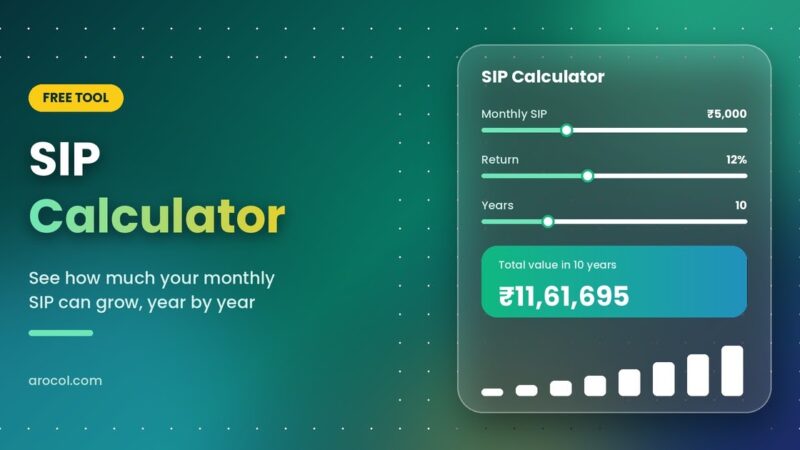
- Start small and boring. A monthly SIP in a simple index fund is enough for most beginners. Read index funds for beginners.
- Then pick a plan by amount. Choose the guide that matches what you can spare: ₹5,000, ₹10,000 or ₹20,000 a month, or a one-time lump sum.
What other investing guides can you read on Arocol?
- Stock Market for Beginners in India: How It Really Works
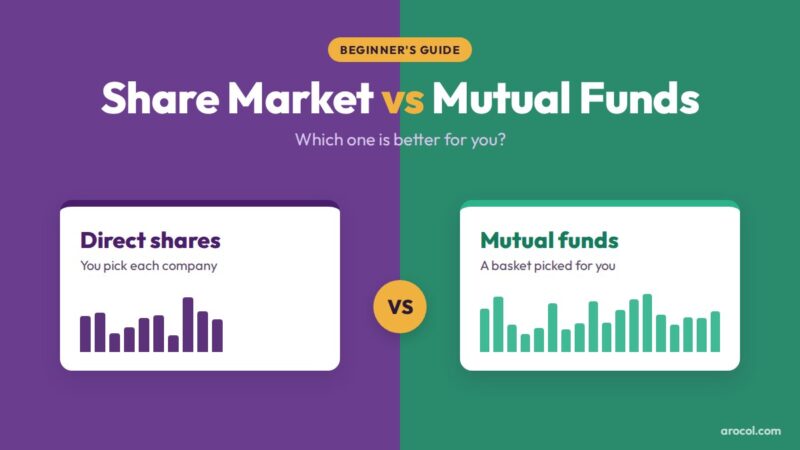
- Share Market vs Mutual Funds: Which Is Better for Beginners?
- Trading vs Investing in India: Which Is Right for You?
- Stock Market Crash in India: What Should You Do Now?
- Bid-Ask Spread: The Hidden Cost in Every Share You Buy
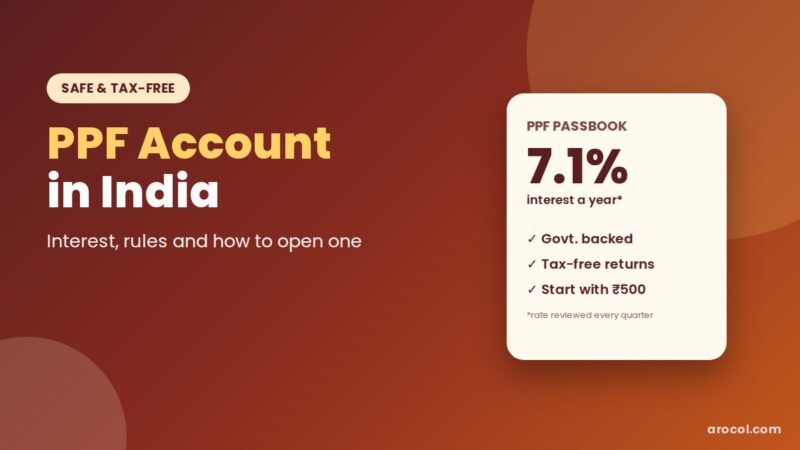
- PPF Account in India: Interest, Rules and How to Open One
- Gold Price Down 23%: Should You Buy Gold Now or Wait?
What should every new investor remember?
Time beats timing. Most people who try to guess the right day to invest end up waiting too long. A small SIP started today usually beats a big plan started “next month”.
Costs matter more than they look. A 1% higher fee doesn’t sound like much. Over 20 years it can eat a big slice of your money. That’s why we keep pointing beginners to low-cost index funds.
Nobody can promise returns. If someone on Telegram or WhatsApp promises to double your money, walk away. I learned that the hard way, and wrote about it in my Telegram trading scam story.
What do beginners often ask about investing?
How much money do I need to start?
Many mutual funds allow SIPs from ₹500 a month. Start with what you can keep going even in a bad month.
Can AI tell me which fund to buy?
AI tools are good for explaining terms and checking your maths. They shouldn’t pick funds for you, and you should never share your PAN or bank details with them.
Arocol shares education, not personal investment advice. Mutual fund investments are subject to market risks.